
Harnessing Hope: The Positive Effects of Renewable Energy in Africa
In recent years, Africa has emerged as a beacon of hope in the global quest for sustainable development, largely due to its increasing adoption of renewable energy sources. This transformative shift is not merely about embracing cleaner energy alternatives but also about catalyzing socio-economic growth, fostering energy independence, and mitigating the impacts of climate change.
One of the most significant positive effects of renewable energy in Africa is its contribution to addressing energy poverty. According to the International Energy Agency (IEA), over 580 million people in sub-Saharan Africa lack access to electricity, severely limiting their opportunities for education, healthcare, and economic advancement. However, the decentralized nature of renewable energy technologies such as solar panels and mini-grids offers a viable solution to this pressing issue. These off-grid systems are empowering communities in remote areas to generate their own electricity, thus bridging the energy gap and improving living standards.
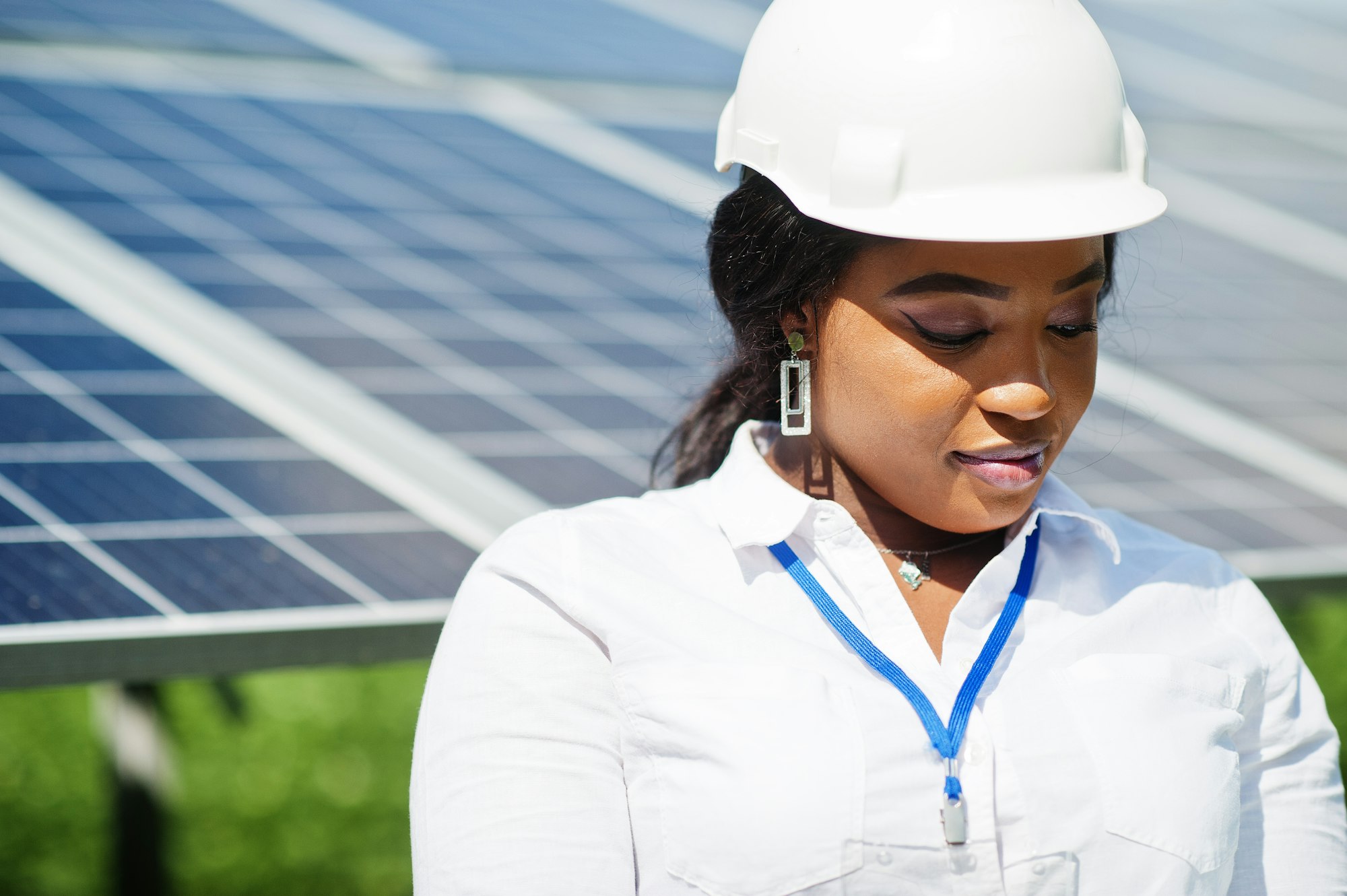
Moreover, the transition to renewable energy is fostering economic development across the continent. By investing in solar, wind, hydro, and geothermal projects, African nations are not only creating jobs but also attracting foreign investment and stimulating local industries. For instance, the construction and maintenance of solar farms provide employment opportunities for engineers, technicians, and laborers, while the manufacturing of renewable energy components generates revenue and enhances technological capabilities.
Furthermore, renewable energy is enhancing energy security and independence in Africa. Unlike fossil fuels, which often rely on imports and are subject to price volatility, renewable energy sources are abundant domestically and can be harnessed sustainably. By diversifying their energy mix and reducing dependence on imported fuels, African countries are strengthening their resilience to external shocks and ensuring a more stable energy supply for future generations.
Importantly, the adoption of renewable energy is positioning Africa as a global leader in climate action. With the continent disproportionately affected by the adverse effects of climate change, such as droughts, floods, and desertification, the transition to clean energy is a crucial step towards building climate resilience. By reducing greenhouse gas emissions and promoting sustainable development pathways, African nations are not only mitigating environmental degradation but also demonstrating their commitment to the Paris Agreement and international climate goals.
In conclusion, the positive effects of renewable energy in Africa are multifaceted and profound, ranging from alleviating energy poverty and stimulating economic growth to enhancing energy security and combating climate change. As the continent continues to embrace the clean energy revolution, supported by favorable policies, technological advancements, and global partnerships, Africa is poised to unlock its full potential and lead the way towards a brighter, more sustainable future.
References:
- International Energy Agency (IEA) – Africa Energy Outlook 2019.
- World Bank – Energy Sector Management Assistance Program (ESMAP).
- United Nations Development Programme (UNDP) – Africa Renewable Energy Initiative.
- African Development Bank (AfDB) – New Deal on Energy for Africa.
- International Renewable Energy Agency (IRENA) – Africa Renewable Energy Status Report.
