
Enlightening Africa: A Journey through the History of Solar Energy in South Africa
South Africa, with its abundant sunshine and progressive mindset, has been a pioneer in harnessing solar energy to power its future. The journey of solar energy in this vibrant nation is a testament to innovation, resilience, and the relentless pursuit of sustainable development.
The roots of solar energy in South Africa can be traced back to ancient times when indigenous communities used passive solar techniques to design their dwellings, maximizing sunlight for warmth and illumination. However, it wasn’t until the energy crisis of the 1970s that the modern era of solar energy dawned upon the nation.
In response to escalating oil prices and growing concerns about energy security, South Africa began exploring alternative energy sources, including solar power. The government launched various initiatives to promote solar water heating systems, particularly in rural and remote areas where access to electricity was limited. These early efforts laid the foundation for the widespread adoption of solar thermal technologies across the country.
The momentum continued to build in the 1990s as South Africa transitioned to democracy, ushering in an era of increased investment in renewable energy infrastructure. The Renewable Energy Independent Power Producer Procurement Program (REIPPPP), launched in 2011, marked a significant turning point in the history of solar energy in South Africa. This groundbreaking initiative aimed to diversify the country’s energy mix and promote private sector participation in renewable energy projects.
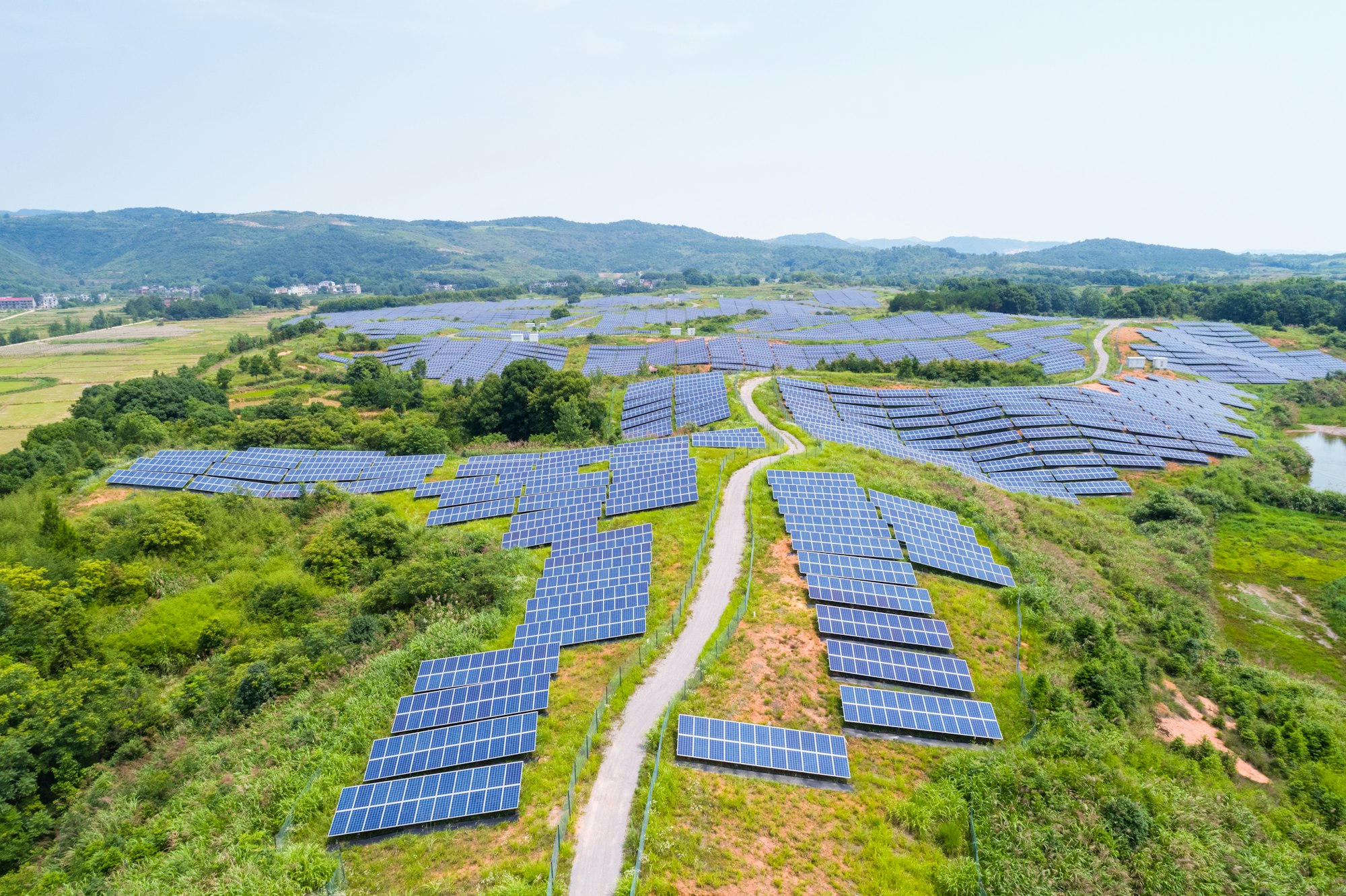
Since then, South Africa has witnessed a solar energy renaissance, with numerous utility-scale solar photovoltaic (PV) and concentrated solar power (CSP) plants coming online. These projects, located in regions blessed with abundant sunlight such as the Northern Cape province, have not only expanded the country’s renewable energy capacity but also created thousands of jobs and attracted substantial foreign investment.
Moreover, the benefits of solar energy in South Africa extend beyond electricity generation. Off-grid solar solutions, including solar home systems and mini-grids, have empowered rural communities, providing access to clean, reliable energy for households, schools, and healthcare facilities. These decentralized solar installations have played a crucial role in improving living standards, enhancing education outcomes, and catalyzing economic development in underserved areas.
Looking ahead, South Africa is poised to further capitalize on its solar potential and accelerate the transition to a sustainable energy future. With ambitious renewable energy targets, favorable regulatory frameworks, and ongoing technological advancements, the country is well-positioned to harness the power of the sun to drive socio-economic growth, reduce carbon emissions, and combat climate change.
In conclusion, the history of solar energy in South Africa is a story of resilience, innovation, and progress. From ancient solar architecture to modern solar farms, the journey has been marked by determination and vision. As South Africa continues to embrace solar energy as a cornerstone of its energy transition, the future shines bright with promise and possibility.
References:
- Department of Energy, Republic of South Africa – Renewable Energy Independent Power Producer Procurement Program (REIPPPP).
- South African Solar Energy Technology Association (SASTELA) – History of Solar Energy in South Africa.
- International Renewable Energy Agency (IRENA) – Renewable Energy Statistics for South Africa.
- African Development Bank (AfDB) – South Africa Country Profile: Renewable Energy.
- National Energy Regulator of South Africa (NERSA) – Renewable Energy Feed-in Tariff Program.
